
July 1st
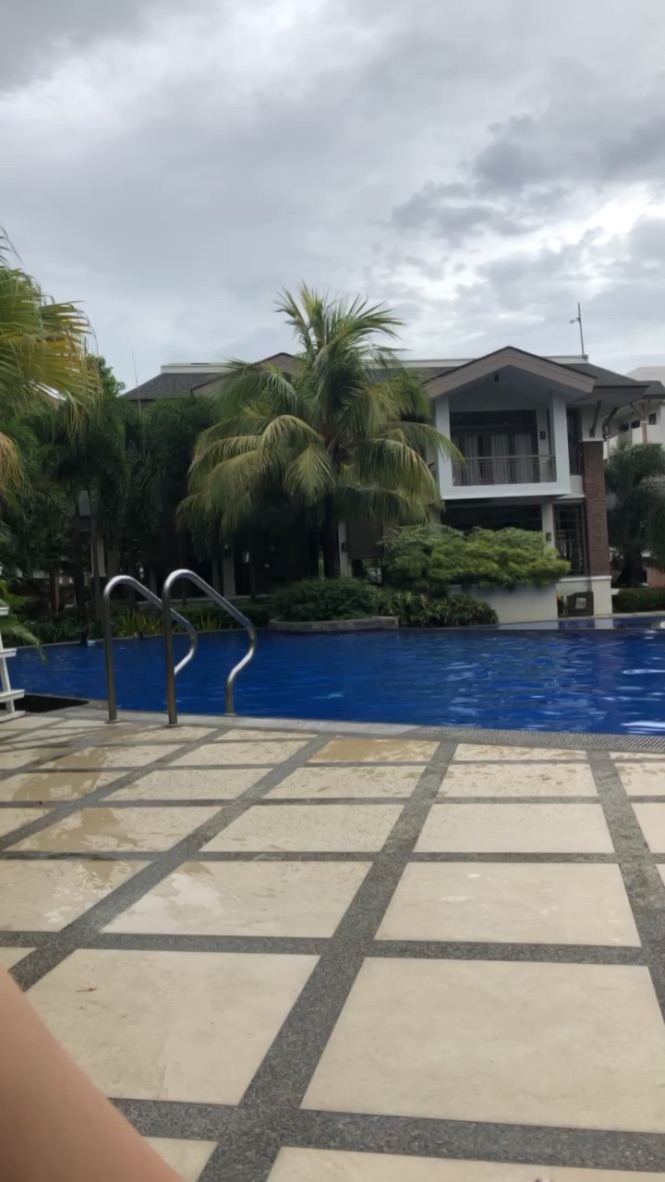
Day off: Wow! I can’t believe that it is already July! After getting back from our long commute from Illocos Norte we were asked to come to the office to get an orientation on the seminar series this week. I am looking forward to learning new aspects about nutrition to improve overall health. Spent the rest of my day off getting some exercise at the pool. It didn’t take long for me to talk to someone I didn’t know. Meeting the middle school girls gave me a better insight of Filipino culture. The girls strained that the want to have pointy noses and paler skin (it’s funny how it is the opposite in the USA). I can’t believe June is already over, I guess time flies when you’re having fun! I am filled to the brim with excitement for the Adventures that July has to offer.
July 2nd
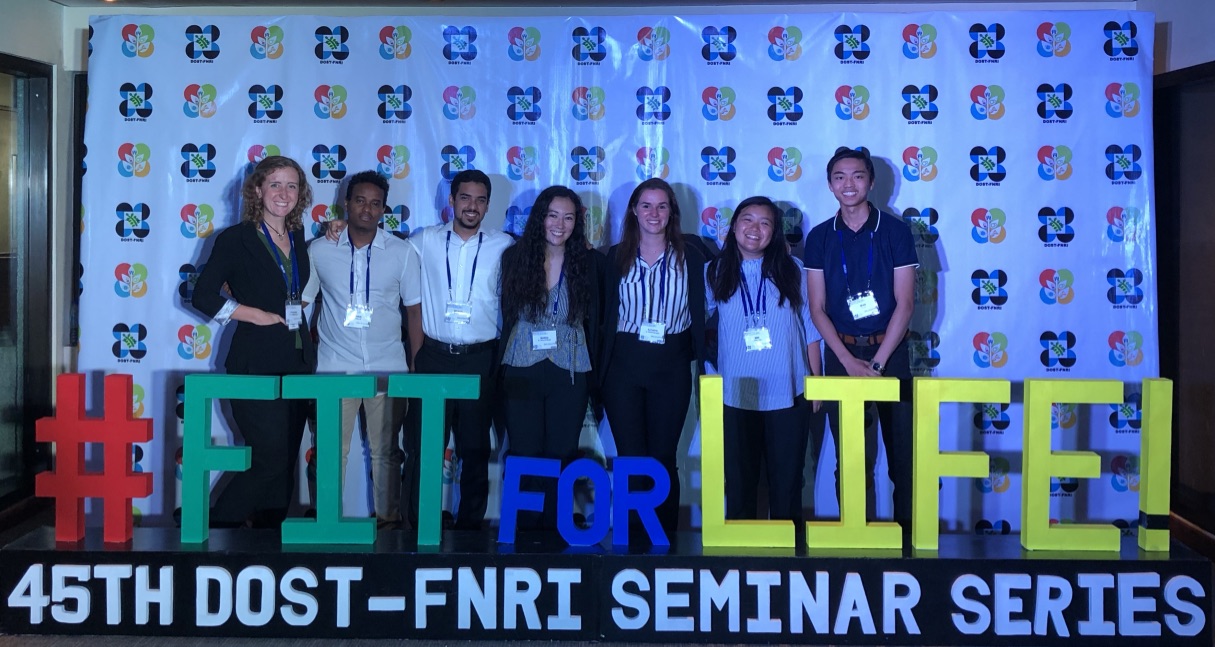
Seminar Series Opener & Mall of Asia Extravaganza: After the girls and I got back from the field, we changed our role as field research workers to attendants to the Annual Seminar series where one is able to view results from previous years as well as other outstanding studies. My favorite part of the day was voting for the best poster presentation which was conducted by graduate researchers. Taking a Research Methods course I had a greater appreciation viewing and critiquing the work done by the graduate students. I really enjoyed reading research regarding the effectiveness of the tea Tsaang Gubat (Ehretia microphylla) on losing weight. Even though it was a great topic, the research still had many opportunities for further investigation. I felt that after taking my research course I was better able to the critique and appreciate the posters completed by the graduate students.
Another presentation that I found interesting was a way to measure body composition using Deuterium Oxide Dilution Techniques. This technique is used to measure total body water which is found by the equation (Total Body Mass-Fat Free Mass=Total Body Water). This is important to learn because it another way to assess if a person is overweight and shows alternate strategies to measure body composition.
A topic that I learned more about is the impact of natural disasters (Typhoons, floods, etc.) on food security and overall nutrition. I found it interesting that the results showed there was a stunt in growth associated with Typhoons with children 0-59 months of age. The presentation also found that there was a CED (Chronic Energy Deficient) in which there was a significant change in nutrient deficiency with exposures to natural disasters. It is hard to relate to natural disasters living in the Midwest but I have a glimpse of understanding with my new set of experiences working in the provinces of how challenging food security may be after a natural disaster. Having this internship in the Philippines makes me wonder how well disaster relief programs are able to provide relief in already impoverished areas. This presentation not only made me think about Philippine cultures but other part of the world but my own culture that share the same issues.
One of the presentations that I look forward to hearing about tomorrow is the correlation between the neck circumference and hypertension!
July 3rd
Seminar Series Day 2: One of the presentations I found interesting discussed the tools for monitoring maternal nutritional status. The presentation emphasized what I learned in Dr. Hopkin’s childhood development class about the importance of intervening with nutrition in the first 1,000 days of life because this is the time that children are most vulnerable in development. One of the problems the Philippines face is identifying if a Filipino child is underweight or overweight. The Philippines has the Republic Act 11148 Section 8 is the law which protects the lives of the children by preventing malnutrition using early identification tools as well as early malnutrition counseling. One of the main points the speaker discussed was the use of the weight for height table to determine if a child or mother is underweight. The table used by the Filipinos today was developed by the American government in 1988. The issue that surfaced was the overall weight shift in the Filipino population. To elaborate, according to the 2015 survey, on average, there was a 2.8kg increase on the Filipino weight chart from 1988 to 2015. With this source of information, the FNRI is re-examining the reference weight which should be used that ultimately alters cutoff ranges for low birth weight. Hearing this presentation raised the question whether the standard weight for the height and weight scale should change with time. Even though the scale had not been altered in over thirty years, I do not believe that the scale should be changed in response to increase in body size of Filipinos. Keeping the scale would allow monitoring of the increased overweight population in the Philippines.
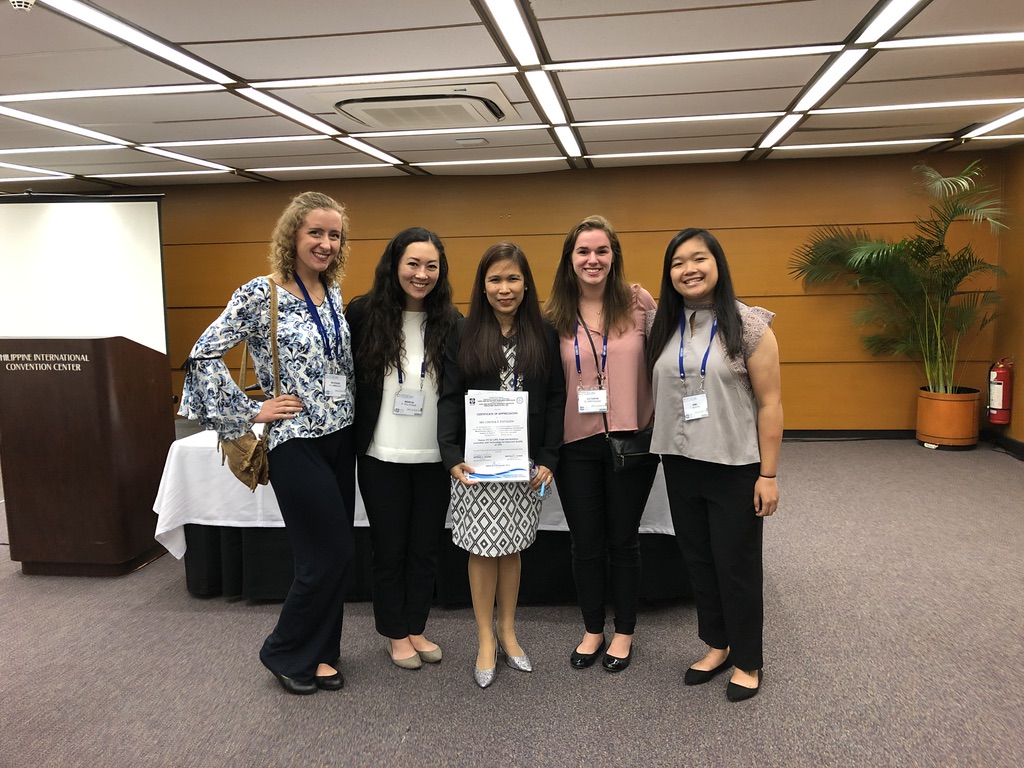
I was most excited for the presentation which talked about the association of neck circumference with elevated blood pressure among Filipino Adolescents. During the 2013 data collection, neck circumference was measured from 25,700 adolescents (6-19 years old) to potentially determine links to obesity. Significant results indicated that boys are taller, girls had higher body mass index (BMI), and boys have a stronger correlation of neck circumference with hypertension. I found this research intriguing because it is an inexpensive screening tool to determine potential risks for being overweight or obese. This technique could be potentially used in my nursing practice if it was deemed to be statistically significant. I am intrigued to do further research on this topic because there is a presence of ‘globesity.’ After the research was presented by Ma’am Chona, I was fascinated by the anatomy associated when taking the neck measurements to determine hypertension. Doctor Morales had described the tape measure should be placed below the thyroid cartilage or below laryngeal cartilage (men) as well as factors influencing neck circumference such as thyroid enlargement, tuberculosis, or other disorders that may impact the neck circumference.
July 4th
Happy Fourth of July! I did not see any fireworks today but I found out that Filipinos sure know how to have fun! The final night of the conference consisted of the Stakeholder’s dinner with a celebration following the dinner. At this dinner, partners with the FNRI-DOST were able to express their gratitude for their partnership and spoke about the impact his or her company has made on the Philippines. It made me proud to work for a company who has made great strides in enhancing the nutrition and overall wellbeing of Filipinos. One of the stakeholders shared that their missionary work was enabled by the help of the FNRI and were able to feed countless hungry people. I ended the night singing and dancing with some FNRI staff. I am convincing that just about all Filipinos can sing!
July 5th
Sushi & Singin’ Sir Albert: Slept in for the morning and then went to grab some delicious sushi at Terriaki Boy. Then we met with Czarina about getting time off to go to Palawan which required writing a letter to the boss of NAMD. That took longer than expected so we ended up going to Korean BBQ with some co-workers! I enjoyed the delicious Korean food which was accompanied by K-pop music such as my new favorite artist, BlackPink! Sir Albert had serenaded us when I had asked him to sing. He is so talented!
July 6th
Movin’ to Marikina: The girls and I got up to move to our next barangay and meet our new team. The drive was only an hour but it seems that we have adapted, as researchers do, to sleep anytime, anywhere. After we had met the team they seemed to be a little shy but super sweet. I really enjoyed the accommodation that we are staying in because they have an OFFICIAL BADMINTON COURT! I am looking forward to playing on this court as well as eating the food from yet another family that has offered to cook for us. The family was so sweet and further convinced me of the amazing hospitality the family offered.
 The Art of Adventure